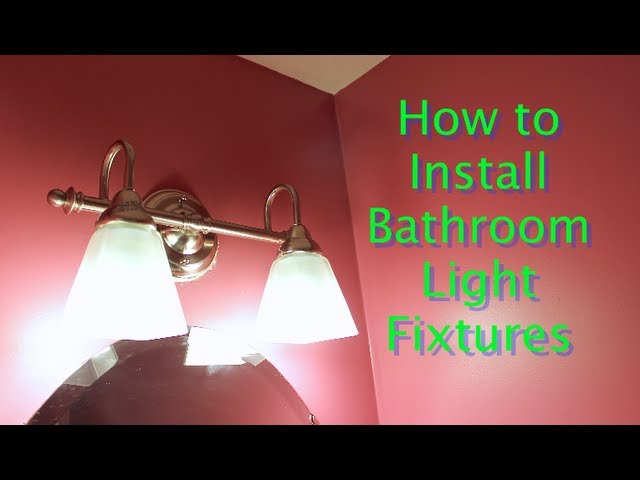
That flickering bathroom light isn't just annoying; it could be a symptom of a bigger electrical problem lurking behind the wall. Upgrading your bathroom lighting fixtures is a fantastic way to improve the look and feel of your space, but it's crucial to do it safely and correctly.
Proper bathroom wiring isn't just about flipping a switch and getting light. It's about protecting yourself and your family from electrical shock, preventing fires, and ensuring your electrical system can handle the demands of modern appliances. Because of the presence of water, bathroom wiring requires extra precautions and adherence to electrical codes. Ignoring these can lead to dangerous situations. Furthermore, efficient bathroom wiring, including energy-efficient lighting options, can save you money on your electricity bill in the long run.
Before you even think about picking up a screwdriver, remember this: bathroom electrical work demands respect for electricity. Always turn off the power at the breaker before starting any electrical project. Consider hiring a qualified electrician if you're uncomfortable working with electricity. For DIY enthusiasts, installing a Ground Fault Circuit Interrupter (GFCI) outlet is non-negotiable in bathrooms and kitchens. GFCIs are designed to trip and cut off power if they detect a ground fault, preventing potentially fatal shocks. When planning your bathroom lighting circuits, make sure you're not overloading any single circuit. Spread the load by using multiple circuits if necessary, especially if you plan to use high-wattage lights or appliances.
Step-by-Step Guide to Installing Bathroom Lighting Fixtures
Installing new bathroom lighting can dramatically change the ambiance and functionality of your space. This guide provides a detailed, step-by-step approach to safely and effectively install new bathroom lighting fixtures. Remember, if at any point you feel unsure, consult a qualified electrician.
Tools and Materials You'll Need
Before you begin, gather all the necessary tools and materials. This will streamline the installation process and prevent frustrating interruptions. Here’s a comprehensive list: New Lighting Fixture: Choose a fixture that meets your lighting needs and aesthetic preferences. Ensure it's rated for bathroom use, especially if it will be near a shower or tub. Screwdrivers: Both flathead and Phillips head screwdrivers of various sizes. Wire Strippers: Essential for safely removing insulation from wires. Wire Connectors (Wire Nuts): Used to securely connect wires. Electrical Tape: For insulating wire connections. Voltage Tester: To confirm the power is off before working on the wiring. Pliers: For bending and manipulating wires. Drill (with appropriate drill bits): May be needed to create mounting holes. Level: To ensure the fixture is installed straight. Pencil: For marking locations. Safety Glasses: To protect your eyes from debris. Gloves: To protect your hands. Ladder or Step Stool: To reach the wiring location. Stud Finder (Optional): To locate studs in the wall for secure mounting. GFCI Outlet (if replacing an existing outlet):Highly recommended for added safety.
Step 1: Turn Off the Power
This is the most crucial step. Locate the circuit breaker that controls the bathroom lighting circuit and turn it off. Double-check that the power is off by using a voltage tester on the existing light fixture. Touch the tester to the wires to ensure no current is flowing.Never skip this step!Your safety depends on it. Remember, working with electricity is dangerous, and assuming the power is off can lead to serious injury or even death. Taking the extra second to verify is always worth it.
Step 2: Remove the Old Light Fixture
Carefully remove the existing light fixture. Start by unscrewing the fixture from the wall or ceiling. Once the screws are removed, gently pull the fixture away from the wall. Be mindful of the wires connected to the fixture. Disconnect the wires by unscrewing the wire connectors (wire nuts). If the wires are taped, remove the tape first. As you disconnect the wires, note their colors and positions. Typically, you'll have a black (hot) wire, a white (neutral) wire, and a green or bare copper (ground) wire. If the wires are brittle or damaged, consider consulting an electrician to replace them.
Step 3: Prepare the Wiring
Inspect the existing wiring for any damage. If the insulation is frayed or cracked, carefully re-strip the wires using wire strippers. Leave about ½ inch of bare wire exposed. This will ensure a good connection with the new fixture. Check the junction box (the box in the wall or ceiling where the wires are housed) to ensure it's in good condition. If it's damaged, replace it before proceeding. Consider upgrading to a larger junction box if the existing one is too small to comfortably accommodate the wiring and the new fixture's mounting hardware.
Step 4: Install the Mounting Bracket
Most new light fixtures come with a mounting bracket. Attach the mounting bracket to the junction box using the screws provided. Make sure the bracket is securely fastened and oriented correctly. Refer to the new fixture's instructions for specific guidance on bracket installation. Use a level to ensure the bracket is perfectly horizontal or vertical, depending on the fixture's design. This will prevent the fixture from appearing crooked once installed.
Step 5: Connect the Wires
Carefully connect the wires from the new light fixture to the wires in the junction box. Use wire connectors (wire nuts) to make the connections. Match the wire colors: black to black, white to white, and green or bare copper to green or bare copper. Twist the wires together tightly before screwing on the wire connectors. After securing the wire connectors, wrap them with electrical tape for added insulation and security. Gently tuck the wires back into the junction box, making sure they are not pinched or strained.
Step 6: Attach the New Light Fixture
Carefully align the new light fixture with the mounting bracket. Use the screws provided to attach the fixture to the bracket. Ensure the fixture is securely fastened and does not wobble. If the fixture has a decorative cover or canopy, attach it according to the manufacturer's instructions. Double-check that all screws are tight and that the fixture is level.
Step 7: Install Light Bulbs and Test the Fixture
Install the appropriate light bulbs for your new fixture. Refer to the fixture's specifications for the correct wattage and bulb type. Once the bulbs are installed, turn the power back on at the circuit breaker. Test the fixture by turning it on and off. If the fixture doesn't turn on, immediately turn the power back off and re-check the wiring connections. If everything appears to be wired correctly and the fixture still doesn't work, consult an electrician.
Step 8: Final Inspection and Cleanup
After confirming that the light fixture is working properly, perform a final inspection. Make sure all screws are tight, the fixture is securely mounted, and there are no exposed wires. Clean up any debris or tools from the work area. Dispose of the old light fixture and any packaging materials properly. Enjoy your newly illuminated bathroom!
People Also Ask (FAQs)
Can I install bathroom lighting myself, or do I need an electrician?
While many homeowners successfully install bathroom lighting themselves, it depends on your comfort level with electrical work and your understanding of electrical codes. If you're unfamiliar with wiring or unsure about any aspect of the installation, hiring a qualified electrician is always the safest option. Remember, mistakes in electrical wiring can be dangerous and potentially life-threatening. If you’re replacing a simple like-for-like fixture, you may feel comfortable doing it yourself, but any modifications to the wiring layout or adding new circuits should be left to the professionals.
What type of lighting is best for bathrooms?
The best type of lighting for bathrooms depends on your needs and preferences. Consider a combination of ambient lighting (for overall illumination), task lighting (for applying makeup or shaving), and accent lighting (for creating ambiance). LED lighting is a popular choice due to its energy efficiency and long lifespan. Look for fixtures that are specifically rated for bathroom use, especially those that are moisture-resistant if installed near a shower or tub. Also, consider the color temperature of the light. Warmer tones are generally more relaxing, while cooler tones are better for task lighting.
How do I make sure my bathroom lighting is safe?
Ensuring the safety of your bathroom lighting is paramount. Always start by turning off the power at the circuit breaker before working on any electrical wiring. Install GFCI outlets in all bathrooms to protect against electrical shock. Use fixtures that are specifically rated for bathroom use and are moisture-resistant. Make sure all wiring connections are secure and properly insulated. If you're unsure about any aspect of the installation, consult a qualified electrician. Regularly inspect your bathroom lighting for any signs of damage, such as flickering lights or frayed wiring.
Upgrading your bathroom lighting fixtures doesn't have to be a daunting task. By following these steps and prioritizing safety, you can enhance your bathroom's functionality and aesthetics. Remember to double-check your work, and don't hesitate to seek professional help if you encounter any difficulties. With a little patience and attention to detail, you can achieve a beautifully lit and safe bathroom.

Posting Komentar