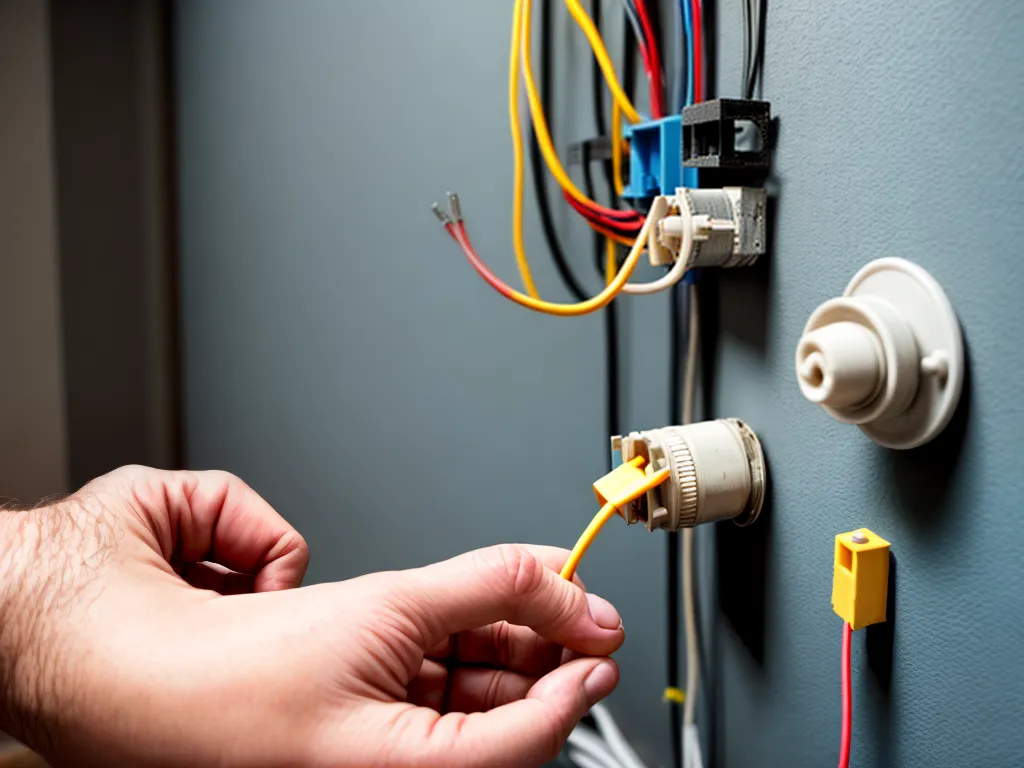
Is your kitchen plagued by flickering lights, overloaded outlets, or that unsettling zap you feel when touching the toaster? Outdated kitchen wiring is a recipe for frustration and, more importantly, a significant safety hazard. The good news? You don’t always need to tear down your walls to bring your kitchen's electrical system up to modern standards.
Upgrading your kitchen wiring isn't just about convenience; it's about protecting your home and family. Kitchens are high-demand areas, with appliances like refrigerators, microwaves, dishwashers, and coffee makers all drawing significant power. Older wiring systems, often lacking sufficient capacity or grounding, can lead to overloaded circuits, tripped breakers, and even electrical fires. Furthermore, the presence of water in the kitchen creates a high-risk environment for electrocution, making proper grounding and the use of Ground Fault Circuit Interrupter (GFCI) outlets absolutely crucial. A well-maintained and properly configured electrical system in your kitchen ensures the safe and efficient operation of your appliances, prevents electrical hazards, and provides peace of mind.
Smart Upgrades for Your Kitchen Wiring Without a Major Overhaul
While a complete rewiring project offers the most comprehensive solution, there are several strategic upgrades you can implement to improve your kitchen's electrical safety and functionality without gutting the entire room. These upgrades focus on addressing specific problem areas and enhancing protection against common electrical hazards.
1. Prioritize GFCI Protection
GFCI outlets are life-savers, especially in moisture-prone areas like kitchens and bathrooms. They constantly monitor the flow of electricity and immediately cut off power if a ground fault is detected, preventing potentially fatal electric shocks.
Identify High-Risk Areas: Focus on installing GFCI outlets near sinks, dishwashers, refrigerators with ice makers, and any other location where water is present. Easy Replacement: Replacing a standard outlet with a GFCI outlet is a relatively straightforward DIY project, but always ensure the power is turned off at the breaker and double-check with a non-contact voltage tester before you begin. Upstream Protection:One GFCI outlet can protect other standard outlets downstream on the same circuit. Test the downstream outlets after installation to ensure they are functioning correctly.
2. Add Dedicated Circuits for High-Wattage Appliances
One of the most common causes of overloaded circuits in kitchens is running multiple high-wattage appliances on the same circuit. This can lead to tripped breakers and potential fire hazards.
Identify Power Hogs: Appliances like microwaves, toasters, blenders, and coffee makers draw significant power. Check the wattage rating on each appliance to determine its power consumption. Install Dedicated Circuits: Have a qualified electrician install dedicated 20-amp circuits for these appliances. This ensures they have their own power source, preventing them from overloading existing circuits. Future-Proofing:When adding circuits, consider future appliance upgrades or additions. Adding a few extra circuits now can save you headaches and costs down the line.
3. Upgrade to Arc Fault Circuit Interrupters (AFCIs)
While GFCIs protect against ground faults, Arc Fault Circuit Interrupters (AFCIs) protect against arc faults, which are electrical sparks that can ignite fires. AFCIs are designed to detect these dangerous arcs and quickly shut off the circuit.
Understanding Arc Faults: Arc faults can occur due to damaged wiring, loose connections, or faulty appliances. They are a leading cause of electrical fires. Replace Standard Breakers: AFCIs are installed as circuit breakers in your electrical panel. Consult with a qualified electrician to determine if AFCI protection is required or recommended for your kitchen circuits based on local electrical codes. Whole-House Protection:Consider installing AFCIs for all circuits in your home, not just the kitchen, for comprehensive fire protection.
4. Improve Your Lighting Circuits
Inadequate or outdated lighting can make your kitchen feel dim and unsafe. Upgrading your lighting circuits can improve visibility and energy efficiency.
Assess Your Lighting Needs: Determine where you need more light in your kitchen, such as over countertops, sinks, and cooking areas. Upgrade to LED Lighting: LED lights are energy-efficient, long-lasting, and provide excellent illumination. Replace old incandescent or fluorescent fixtures with LED alternatives. Add Under-Cabinet Lighting: Under-cabinet lighting provides focused light on countertops, making food preparation easier and safer. Consider installing LED strip lights for a sleek and energy-efficient solution. Consider a Lighting Circuit Split: Depending on the size of your kitchen, consider having an electrician split your kitchen lighting into two circuits. This can prevent a single tripped breaker from plunging the entire kitchen into darkness.
5. Check and Replace Damaged Wiring and Outlets
Over time, wiring and outlets can become damaged due to wear and tear, heat, or pests. Inspecting and replacing damaged components is crucial for maintaining electrical safety.
Visual Inspection: Look for signs of damage, such as cracked or frayed wiring, loose connections, or discolored outlets. Professional Assessment: If you suspect any wiring damage, have a qualified electrician inspect your electrical system. They can identify hidden problems and recommend appropriate repairs. Replace Outdated Outlets:Replace old, two-prong outlets with grounded, three-prong outlets for improved safety. Ensure the outlet box is properly grounded as well.
6. Manage Cord Clutter and Avoid Overloading Outlets
Poorly managed cords and overloaded outlets are common fire hazards. Taking steps to organize cords and prevent overloading can significantly improve kitchen safety.
Use Power Strips with Surge Protection: Power strips with built-in surge protection can protect your appliances from power surges and provide multiple outlets in a convenient location. Avoid Extension Cord Overuse: Limit the use of extension cords, as they are often a source of electrical problems. If you need more outlets, consider having an electrician install additional outlets. Cord Management Solutions: Use cord organizers, cable ties, and other solutions to keep cords neat and tidy. This prevents tripping hazards and reduces the risk of damage to the cords. Never "Daisy Chain" Power Strips: Plugging one power strip into another (daisy chaining) is a major fire hazard, as it can easily overload the circuit.
7. Install Tamper-Resistant Receptacles (TRRs)
If you have young children, Tamper-Resistant Receptacles (TRRs) are a must. TRRs have internal shutters that prevent children from inserting objects into the outlet slots, reducing the risk of electric shock.
Easy Installation: TRRs are installed just like standard outlets. Peace of Mind: TRRs provide an extra layer of safety for families with young children. Code Compliance:Many building codes now require TRRs in new construction and renovations.
People Also Ask:
Can I DIY these electrical upgrades, or do I need an electrician?
While some electrical upgrades, like replacing an outlet with a GFCI outlet, can be safely done as a DIY project, it's essential to assess your skills and comfort level. Working with electricity can be dangerous if you're not properly trained. Projects like adding dedicated circuits, upgrading your electrical panel, or dealing with damaged wiring should always be handled by a qualified electrician. They have the expertise, tools, and knowledge to ensure the job is done safely and according to local electrical codes. If in doubt, always err on the side of caution and hire a professional.
How much does it cost to upgrade kitchen wiring?
The cost of upgrading your kitchen wiring can vary significantly depending on the scope of the project. Replacing a few outlets with GFCI outlets will be relatively inexpensive. Adding dedicated circuits or upgrading your electrical panel will be more costly. The best way to get an accurate estimate is to contact a few local electricians and get quotes for the specific work you need. Remember to factor in the cost of materials, labor, and any permits required by your local building department. Don't automatically go with the cheapest quote; consider the electrician's experience, reputation, and insurance coverage.
What are the signs that my kitchen wiring needs to be upgraded?
Several signs indicate that your kitchen wiring may need to be upgraded. These include: Flickering lights: This can be a sign of loose connections or overloaded circuits. Tripped breakers: Frequent tripped breakers indicate that a circuit is overloaded. Warm outlets or switches: This can be a sign of overheating, which can lead to a fire. Burning smells: Any burning smell coming from outlets or appliances is a serious warning sign. Outdated wiring: If your home has older wiring, such as knob-and-tube wiring, it's time to upgrade. Lack of GFCI protection: Kitchens and bathrooms should have GFCI protection to prevent electric shock.
If you notice any of these signs, it's important to have your electrical system inspected by a qualified electrician as soon as possible.
What is the difference between a GFCI outlet and a regular outlet?
A GFCI (Ground Fault Circuit Interrupter) outlet is designed to protect you from electric shock by monitoring the flow of electricity. If it detects a difference in the current flowing into and out of the outlet (indicating a ground fault), it quickly shuts off the power. Regular outlets don't have this protective feature. GFCIs are required by code in areas where water is present, such as kitchens and bathrooms.
Taking on these smart upgrades can significantly improve the safety and functionality of your kitchen wiring without the expense and disruption of a full rewiring project. Remember to prioritize safety, follow all applicable electrical codes, and don't hesitate to call in a qualified electrician for any work that you're not comfortable doing yourself. With a little planning and effort, you can create a safer and more efficient kitchen for your family.

Posting Komentar