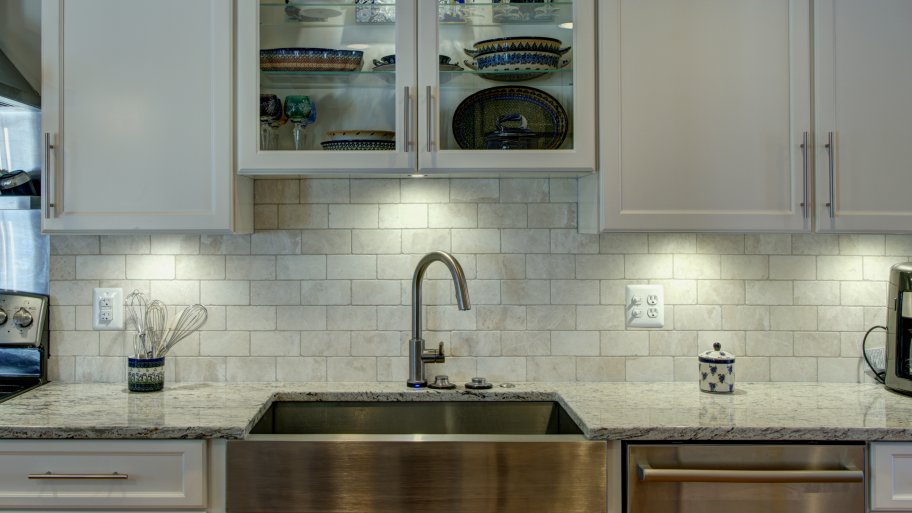
Are you tired of prepping dinner in the shadows? Poor kitchen lighting not only makes cooking a chore but can also lead to unnecessary accidents. Upgrading to proper task lighting can transform your kitchen into a safer and more enjoyable space.
Proper kitchen wiring, and bathroom wiring for that matter, is absolutely critical for safety and efficiency. In damp environments like kitchens and bathrooms, faulty wiring can lead to shocks, shorts, and even fires. Investing in a well-planned and professionally (or carefully DIYed) installed lighting circuit ensures that your appliances and lighting fixtures operate efficiently, saving you money on your energy bill and significantly reducing the risk of electrical hazards. It's not just about brighter lights; it's about peace of mind.
One of the most important safety tips for any kitchen or bathroom electrical project is installing GFCI (Ground Fault Circuit Interrupter) outlets in areas near water sources like sinks and countertops. A GFCI outlet instantly cuts power if it detects a ground fault, preventing potentially fatal shocks. When planning your lighting circuits, consider separating your lighting and appliance circuits to prevent overloads and ensure a stable power supply. If you're tackling this project yourself, remember to always turn off the power at the breaker box before working on any wiring. Double-check with a non-contact voltage tester to be absolutely sure the circuit is dead. And if you're even slightly unsure about any step, call in a licensed electrician. Your safety is paramount!
How to Install Kitchen Task Lighting Wiring
Kitchen task lighting refers to focused light sources designed to illuminate specific work areas, such as countertops, sinks, and stovetops. Proper task lighting eliminates shadows and glare, making food preparation safer and more efficient. This usually involves installing under-cabinet lights, pendant lights over islands, or recessed lighting strategically positioned above work surfaces. Planning your kitchen's lighting layout before you even start any wiring is key to a successful and functional outcome.
A well-lit kitchen is not just aesthetically pleasing; it's a safer and more functional space. Let's dive into the steps involved in installing kitchen task lighting wiring, covering everything from planning to final connections.
Planning Your Kitchen Task Lighting
Before you pick up a single tool, meticulous planning is essential. This stage determines the success and safety of your project.
Assess Your Needs: Start by identifying the areas in your kitchen that require task lighting. Common areas include countertops, the sink, the stovetop, and kitchen islands. Consider how you use each space and the amount of light required for the tasks performed there. For instance, a countertop used for chopping vegetables needs brighter light than an area used for storing appliances. Determine the Lighting Type: There are several types of task lighting to choose from, each with its own advantages: Under-Cabinet Lights:These are ideal for illuminating countertops. They come in various options, including LED strips, puck lights, and linear fixtures. LED strips are energy-efficient and provide even lighting, while puck lights offer focused illumination.
Pendant Lights: These hang from the ceiling and are perfect for lighting kitchen islands or breakfast bars. Choose pendants that provide ample light without creating glare.
Recessed Lighting: Also known as pot lights, recessed lights are installed in the ceiling and provide general and focused lighting. They can be strategically placed above work areas to supplement other task lighting.
Track Lighting: Offers flexibility as you can adjust the direction of each light head. Good for areas where you might want to change the focus of the light later. Create a Lighting Plan: Draw a detailed plan of your kitchen, marking the locations of your task lighting fixtures. Indicate the type of fixture, its wattage, and its placement. Consider the spacing between fixtures to ensure even lighting coverage. For under-cabinet lights, measure the length of the cabinets and choose fixtures that fit comfortably. For pendant lights, determine the optimal hanging height for comfortable use. Check Local Codes:Electrical work is subject to local building codes, which vary by region. Contact your local building department to obtain the necessary permits and ensure your plan complies with all regulations. This might include requirements for GFCI protection, wire gauge, and junction box placement. This is absolutely crucial for home electrical safety.
Gathering the Necessary Materials and Tools
Having the right materials and tools on hand will make the installation process smoother and safer.
Electrical Wire: Use the correct gauge of wire for your lighting circuit. For most kitchen lighting, 14-gauge wire is sufficient, but 12-gauge wire is recommended for circuits with higher loads. NM-B (Romex) cable is commonly used for residential wiring. Consult your local codes and the manufacturer's instructions for the correct wire type. Junction Boxes: These boxes house the wire connections and provide a safe enclosure. Choose junction boxes that are appropriately sized for the number of wires and connections. Ensure they are made of durable material, such as metal or plastic, and are suitable for the installation location. Wire Connectors: Use wire connectors (wire nuts) to safely join wires together. Choose connectors that are appropriately sized for the wire gauge and the number of wires being connected. Push-in connectors are also available and offer a quick and easy alternative. GFCI Outlets: Install GFCI outlets for any task lighting near water sources, such as sinks and countertops. These outlets protect against electrical shock by detecting ground faults and cutting off the power. Lighting Fixtures: Select the task lighting fixtures that meet your needs and fit your kitchen's style. Ensure the fixtures are rated for the intended use and comply with local codes. Tools:
Voltage Tester: A non-contact voltage tester is essential for verifying that the power is off before working on any wiring.
Wire Strippers: Use wire strippers to remove the insulation from the wires without damaging the conductors.
Pliers: Pliers are useful for bending and twisting wires, as well as tightening connections.
Screwdrivers: Have a variety of screwdrivers on hand, including flathead and Phillips head, to match the screws used in the junction boxes and lighting fixtures.
Drill: A drill is needed for installing mounting hardware and running wires through walls or cabinets.
Fish Tape: Use fish tape to pull wires through walls or conduit.
Level: A level is essential for ensuring that lighting fixtures are installed straight and level.
Tape Measure: Accurate measurements are crucial for proper fixture placement and wire length.
Safety Glasses: Protect your eyes from debris while working.
Gloves: Wear gloves to protect your hands from cuts and electrical shock.
Wiring the Lighting Circuit
With your plan in place and materials gathered, you can begin wiring the lighting circuit. Always prioritize safety and follow these steps carefully.
Turn Off the Power: Before starting any electrical work, turn off the power to the circuit at the breaker box. Verify that the power is off using a non-contact voltage tester. This is the most critical step in ensuring your safety. Run the Wiring: Run the electrical wire from the power source to the first junction box in your lighting circuit. Use fish tape to pull the wire through walls or conduit, if necessary. Secure the wire to studs or joists using cable staples to prevent it from sagging or being damaged. Install Junction Boxes: Install junction boxes at each location where you will be making wire connections. Secure the boxes to the wall or cabinet using screws or nails. Ensure the boxes are flush with the surface and are properly grounded. Make Wire Connections: Inside each junction box, make the wire connections using wire connectors. Follow these steps: Strip about ¾ inch of insulation from the ends of the wires.
Twist the bare ends of the wires together clockwise.
Screw a wire connector onto the twisted wires, ensuring it is tight and secure.
Tug on each wire to verify that the connection is solid. Grounding: Proper grounding is essential for safety. Connect the ground wire (usually bare copper or green) to the grounding screw in each junction box and to the grounding terminal on each lighting fixture. This provides a path for electricity to safely flow to the ground in the event of a fault. Install GFCI Outlets: If you are installing task lighting near water sources, install GFCI outlets in place of standard outlets. Connect the wires to the GFCI outlet according to the manufacturer's instructions. Test the GFCI outlet by pressing the "test" button and verifying that it trips. Then, press the "reset" button to restore power.
Installing the Task Lighting Fixtures
Now that the wiring is complete, you can install the task lighting fixtures.
Under-Cabinet Lights:
Mount the under-cabinet lights to the underside of the cabinets using screws or adhesive.
Connect the wires from the lighting fixture to the wires in the junction box using wire connectors.
Conceal the wiring by running it through a channel or raceway. Pendant Lights:
Install the mounting hardware for the pendant lights according to the manufacturer's instructions.
Adjust the height of the pendant lights to the desired level.
Connect the wires from the lighting fixture to the wires in the junction box using wire connectors.
Secure the canopy to the ceiling to conceal the wiring. Recessed Lighting:
Cut holes in the ceiling for the recessed lighting fixtures using a hole saw.
Install the recessed lighting cans into the holes, ensuring they are securely mounted.
Connect the wires from the lighting fixture to the wires in the junction box using wire connectors.
Install the trim rings to complete the installation. Track Lighting:
Mount the track to the ceiling using screws.
Connect the wires from the track to the wires in the junction box using wire connectors.
Attach the light heads to the track and adjust their direction as needed.
Testing and Final Touches
Before you call it a day, test your work and make any necessary adjustments.
Restore Power: Turn the power back on at the breaker box. Test the Lights: Turn on each of the task lighting fixtures to ensure they are working properly. Check for Issues: Look for any signs of problems, such as flickering lights, buzzing sounds, or loose connections. Make Adjustments: Adjust the position of the lighting fixtures to achieve the desired lighting effect. Clean Up:Clean up any debris and dispose of waste materials properly.
People Also Ask (FAQs)
What size wire should I use for kitchen lighting?
For most kitchen lighting circuits, 14-gauge wire is sufficient. However, if the circuit will be powering high-wattage appliances or multiple fixtures, 12-gauge wire is recommended. Consult your local codes and the manufacturer's instructions for the correct wire type. Do I need a permit to install kitchen lighting wiring?
Yes, in most cases, you will need a permit to install kitchen lighting wiring. Contact your local building department to obtain the necessary permits and ensure your plan complies with all regulations. This is important for ensuring the work is done safely and to code. *How do I know if I need a GFCI outlet?
GFCI outlets are required in any location where there is a risk of water exposure, such as near sinks, countertops, and dishwashers. These outlets protect against electrical shock by detecting ground faults and cutting off the power. Check your local codes for specific requirements.
Installing kitchen task lighting wiring can seem daunting, but with careful planning, the right tools, and a commitment to safety, you can significantly improve your kitchen's functionality and ambiance. Remember to always prioritize safety, double-check your connections, and consult with a licensed electrician if you have any doubts or concerns. With your new task lighting in place, you'll be able to enjoy a brighter, safer, and more efficient kitchen for years to come. You've got this!

Posting Komentar