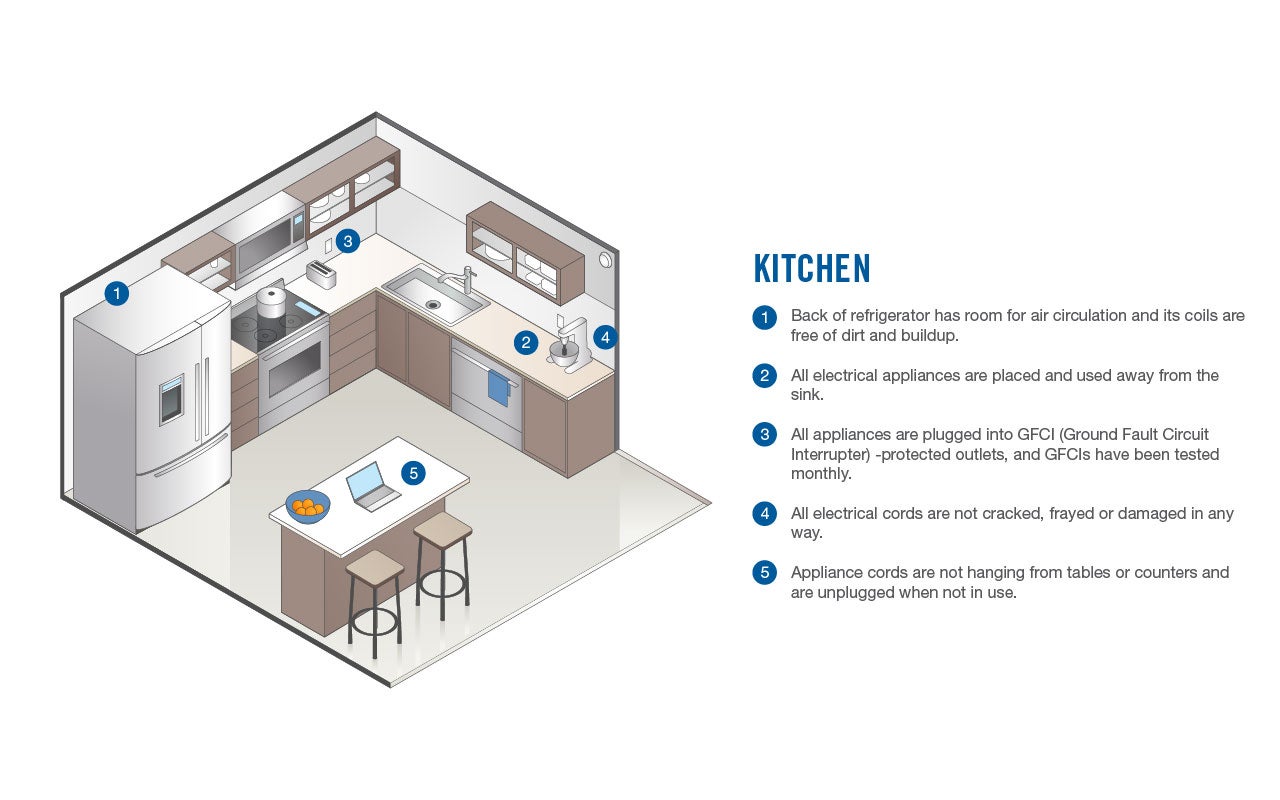
A kitchen renovation is exciting – new appliances, fresh paint, and maybe even a whole new layout. But amidst the granite countertops and stainless steel, it's easy to overlook a crucial aspect: electrical safety. Water and electricity are a dangerous combination, and a poorly wired kitchen can quickly become a hazard, leading to shocks, fires, and costly repairs.
Proper kitchen wiring is more than just convenience; it's about safeguarding your home and family. The kitchen is a high-demand area for electricity, with appliances like refrigerators, microwaves, dishwashers, and ovens all vying for power. Outdated or inadequate wiring can overload circuits, causing breakers to trip constantly and potentially creating a fire hazard. Furthermore, the presence of water makes ground fault circuit interrupters (GFCIs) essential for preventing electrical shocks near sinks, dishwashers, and any area where water might splash. Ensuring your kitchen's electrical system is up to code and properly installed is an investment in your peace of mind and the longevity of your home.
Electrical Safety Checklist for Your Kitchen Renovation
Whether you're planning a complete overhaul or just upgrading a few appliances, taking the time to assess and address your kitchen's electrical needs is paramount. This checklist provides a comprehensive guide to help you navigate the electrical aspects of your kitchen renovation safely and effectively.
1. Planning and Permits: Don't Skip This Step!
Before you even think about swinging a hammer, take the time to plan out your kitchen's electrical layout. Consider the placement of new appliances, outlets, and lighting fixtures.
Draw a detailed electrical plan: This should include the location of all outlets, switches, light fixtures, and appliances. Clearly mark the amperage requirements of each appliance. Check local building codes: Electrical codes vary from place to place. Ensure your plan adheres to the current regulations in your area. This is often where pulling permits come in, as the inspector will verify it's to code. Obtain necessary permits: Depending on the scope of your renovation, you may need to obtain electrical permits from your local building department. This is crucial for ensuring your work is inspected and meets safety standards. Neglecting this can result in fines and required rework later. Factor in future needs: Consider whether you might add new appliances or upgrade existing ones in the future. Plan for extra capacity to avoid overloading circuits down the road.
2. Ground Fault Circuit Interrupters (GFCIs): Your First Line of Defense
GFCIs are designed to protect you from electrical shock in areas where water is present. They constantly monitor the flow of electricity and quickly shut off the circuit if they detect a leakage, preventing a potentially fatal shock.
Install GFCI outlets near sinks: Any outlet within 6 feet of a sink should be a GFCI outlet. This includes outlets above countertops and islands. Protect dishwasher and garbage disposal circuits: The circuits for your dishwasher and garbage disposal should also be GFCI protected. Consider hardwiring these appliances to a GFCI breaker in the electrical panel for comprehensive protection. Test GFCIs regularly: Use the "test" and "reset" buttons on the GFCI outlet to ensure it's functioning properly. Do this monthly or after any electrical work is performed. Consider AFCI protection: Arc Fault Circuit Interrupters (AFCIs) protect against electrical fires caused by arcing faults. Consider installing AFCI breakers in your electrical panel for added protection. They are often code requirement on new or renovated circuits.
3. Circuit Breakers and Electrical Panel: Upgrades May Be Necessary
Your electrical panel is the heart of your home's electrical system. An outdated or overloaded panel can be a significant safety hazard.
Assess your panel's capacity: Determine if your existing electrical panel has enough capacity to handle the increased electrical load of your new kitchen appliances. If it's undersized, you may need to upgrade to a larger panel. Label circuits clearly: Ensure all circuit breakers are clearly labeled, making it easy to identify and shut off power to specific areas of your kitchen. Consider dedicated circuits: High-demand appliances like refrigerators, ovens, microwaves, and dishwashers should have their own dedicated circuits to prevent overloading. This means each appliance has its own breaker in the panel. Check for loose connections: Periodically inspect your electrical panel for any loose connections or signs of corrosion. If you find any, contact a qualified electrician to address them. Know your panel's age:Electrical panels have a lifespan. If yours is old (25+ years) it may be time to replace it regardless of whether it's 'working fine'. Components degrade over time and older panels may not have the safety features found in modern panels.
4. Wiring and Outlets: Ensuring Adequate Power and Safety
The type and quality of wiring used in your kitchen are crucial for safety and performance.
Use appropriate wire gauge: The wire gauge must be appropriate for the amperage of the circuit. Using undersized wiring can cause overheating and create a fire hazard. Consult with an electrician to determine the correct wire gauge for your needs. Install tamper-resistant outlets: If you have young children, consider installing tamper-resistant outlets. These outlets have internal shutters that prevent children from inserting objects into the slots. Avoid overloading outlets: Don't plug too many appliances into a single outlet. Use power strips with surge protection to distribute the load and protect your electronics from voltage spikes. Inspect existing wiring: Before starting any work, carefully inspect the existing wiring for signs of damage, such as frayed insulation or exposed conductors. Replace any damaged wiring immediately. Update old wiring:If your home has old aluminum wiring, consider upgrading to copper wiring. Aluminum wiring is more prone to corrosion and can be a fire hazard.
5. Lighting: Brighten Your Kitchen Safely and Efficiently
Proper lighting is essential for safety and functionality in the kitchen.
Install adequate task lighting: Install task lighting under cabinets to illuminate countertops and work surfaces. This makes it easier to see what you're doing and reduces the risk of accidents. Use energy-efficient lighting: Switch to LED lighting to save energy and reduce your electricity bill. LED bulbs last much longer than traditional incandescent bulbs and produce less heat. Consider dimmer switches: Install dimmer switches for overhead and ambient lighting to create a more comfortable and versatile atmosphere. Ensure proper clearances: When installing recessed lighting, ensure there is adequate clearance between the fixture and any insulation. Use IC-rated fixtures if they will be in contact with insulation. Outdoor lighting:Don't forget the exterior of your kitchen (if applicable). Ensure outdoor lighting is weatherproof and properly grounded.
6. Appliance Installation: Follow the Manufacturer's Instructions
Proper appliance installation is critical for safety and performance.
Read the manufacturer's instructions: Before installing any appliance, carefully read the manufacturer's instructions. These instructions will provide specific guidance on wiring, grounding, and safety precautions. Hire a qualified electrician: Unless you have extensive electrical experience, it's best to hire a qualified electrician to install major appliances like ovens, cooktops, and dishwashers. Ensure proper grounding: All appliances must be properly grounded to prevent electrical shock. Check for gas leaks: If you have gas appliances, check for gas leaks after installation using a gas leak detector. Test all appliances:After installation, test all appliances to ensure they are functioning properly.
7. DIY Precautions: When to Call a Professional
While some electrical tasks can be safely performed by homeowners, others should be left to the professionals.
Know your limits: Be honest about your electrical skills and experience. If you're not comfortable working with electricity, don't attempt the work yourself. Always disconnect power: Before starting any electrical work, always disconnect the power to the circuit at the electrical panel. Double-check that the power is off using a non-contact voltage tester. Use proper tools: Use insulated tools designed for electrical work. This will help protect you from electrical shock. Wear safety glasses: Wear safety glasses to protect your eyes from sparks or debris. When in doubt, call a pro: If you're unsure about any aspect of the electrical work, don't hesitate to call a qualified electrician. It's better to be safe than sorry. Follow the "One Hand Rule": When working on a circuit, keep one hand in your pocket. This reduces the chance of creating a circuit through your body if you accidentally touch a live wire.
8. Post-Renovation Inspection: Peace of Mind
Once the renovation is complete, a final inspection can provide added assurance.
Schedule an inspection: If you obtained electrical permits, schedule a final inspection with your local building department to ensure the work meets code requirements. Test all outlets and switches: Test all outlets and switches to ensure they are functioning properly. Verify GFCI protection: Verify that all GFCI outlets are providing protection by using the "test" button. Document all changes: Keep a record of all electrical work performed, including wiring diagrams, appliance specifications, and inspection reports. This will be helpful for future maintenance and repairs.
People Also Ask:
####Do I really need a permit for electrical work in my kitchen?
Yes, in most jurisdictions, electrical work requires a permit. This is because electrical work is inherently dangerous, and permits ensure that the work is inspected by a qualified professional to meet safety standards. Pulling permits is also a legal requirement, and failing to do so can result in fines and penalties. Don't skip it.
####How often should I test my GFCI outlets?
It's recommended to test your GFCI outlets monthly. This will help ensure that they are functioning properly and providing protection against electrical shock. Simply press the "test" button and then the "reset" button to verify that the outlet is working. If it doesn't trip when the "test" button is pushed, it needs to be replaced.
####What size electrical panel do I need for my kitchen?
The size of electrical panel needed depends on the electrical load of your kitchen. This includes the amperage requirements of all appliances, lighting fixtures, and outlets. Consult with a qualified electrician to determine the appropriate panel size for your needs. It's always better to err on the side of caution and choose a panel that is slightly larger than you think you need.
By following this electrical safety checklist, you can help ensure that your kitchen renovation is completed safely and that your home is protected from electrical hazards. Remember, when it comes to electricity, safety should always be your top priority. Don't hesitate to consult with a qualified electrician if you have any questions or concerns. A little planning and attention to detail can go a long way in creating a safe and functional kitchen that you can enjoy for years to come.

Posting Komentar